


Table of Contents
- Introduction: Why Genealogy Matters
- Getting Started: Gathering Family Information
- Essential Irish Records and Where to Find Them
- Online Tools and Resources for Irish Genealogy
- Preserving Your Heritage: Tips for Sharing and Saving Family History
Introduction: Why Genealogy Matters
Tracing your Irish roots is more than just a hobby—it’s a journey into the past that brings family stories, places, and traditions back to life. For millions around the world, Irish ancestry is a link to identity, heritage, and the resilience of generations past. Genealogy offers a way to honor those who came before, and to share their stories with the future.
Whether your ancestors fled the Great Famine, sailed for America, or moved just a few counties over, each piece of your family’s past tells a story worth preserving. In Ireland and abroad, renewed interest in genealogy has led to a wealth of tools and archives to help people uncover their roots.
Getting Started: Gathering Family Information
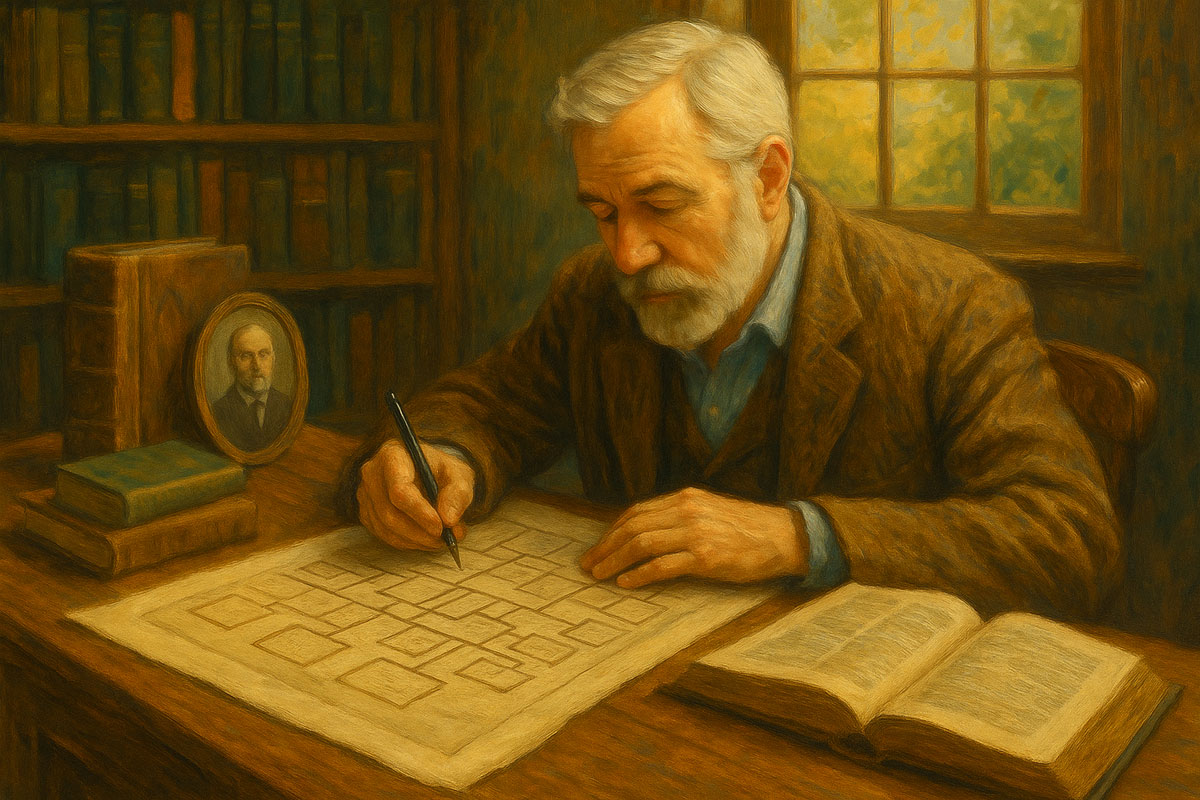
Before diving into records and databases, the best place to begin is with what you already know. Talk to older relatives, gather family documents, and create a simple family tree using pen and paper or a digital tool like FamilySearch or Ancestry.
Here are some key starting points:
- Names of grandparents, great-grandparents, and extended relatives
- Birthplaces and birthdates (even approximations help)
- Marriage and death certificates
- Old family bibles, photographs, or letters
- Immigration or naturalization papers
Pay special attention to surnames and place names—spelling may vary, and many Irish names have Anglicized versions. Townland or parish names can be crucial for finding Irish records.
Essential Irish Records and Where to Find Them
Researching Irish ancestry poses challenges—many records were lost in the 1922 Four Courts Fire during the Irish Civil War—but a rich array of documents still survives. Below are key categories to search:
Civil Records (Births, Marriages, Deaths)
Civil registration began in 1864 (earlier for non-Catholic marriages from 1845). These are some of the most accessible and useful records.
- Search IrishGenealogy.ie for free access to BMD records
Church Parish Records
Before civil registration, church records are your best bet. Roman Catholic registers (baptisms, marriages) date from the 18th century in many parishes.
Census Records
While most 19th-century census data was destroyed, the 1901 and 1911 Irish censuses are fully intact and searchable online.
- Free access at National Archives of Ireland
Griffith’s Valuation
This mid-19th century land survey (1847–1864) is a powerful substitute for missing census records. It lists heads of households and property details.
Tithe Applotment Books
Compiled between 1823 and 1837, these records list landholders who paid tithes to the Church of Ireland and are useful for early 19th-century research.
Other Resources
- Wills and probate records
- Workhouse and poor law union registers
- Military pension records (especially post-1916 Rising)
Online Tools and Resources for Irish Genealogy
Thanks to digitization, many Irish genealogy tools are available online—often for free or via subscription. Here are some of the most helpful:
Free Resources
- IrishGenealogy.ie – Civil records, church registers
- National Archives Census Site – 1901 and 1911 censuses
- NLI Parish Registers – Catholic church records
- FindMyPast (Free Records Index)
Paid Subscription Tools
- Ancestry.com – Census, parish, DNA tools, family trees
- FindMyPast.ie – Irish records collection
- MyHeritage – Global records and family tree builder
DNA Testing
DNA kits from 23andMe, AncestryDNA, and FamilyTreeDNA can uncover ethnic makeup, locate genetic relatives, and confirm geographic origins.
Genealogy Societies & Archives
- Irish Family History Foundation (IFHF)
- Ulster Historical Foundation
- Local heritage centers in Cork, Clare, Mayo, etc.
Preserving Your Heritage: Tips for Sharing and Saving Family History
Once you’ve gathered your family history, the next step is preserving it for future generations. Here are ideas to safeguard and share what you’ve learned:
Create a Digital Family Tree
Use tools like FamilySearch, Ancestry, or MyHeritage to build a visual tree that can be shared with relatives or downloaded for keepsake books.
Write a Family History Book
Compile stories, documents, and photos into a printed or digital family memoir. Include timelines, anecdotes, recipes, and even maps.
Label and Organize Photos
Scan and catalog family photos while older relatives can still help identify faces and places. Cloud backups ensure long-term preservation.
Visit Ancestral Places
Plan a heritage trip to Ireland to walk the land your ancestors knew. Many counties offer genealogy tourism services to help guide your visit.
Pass It On
Encourage younger family members to get involved. Genealogy can be a bonding activity and a powerful tool for teaching history, values, and connection.
Conclusion
Preserving your Irish family history is a rewarding and deeply human journey. With the help of online tools, archival resources, and oral tradition, you can uncover the roots of your identity and bring the past to life for future generations. Whether you’re building your first family tree or confirming long-held stories, each discovery becomes a thread in the rich tapestry of Irish heritage.