

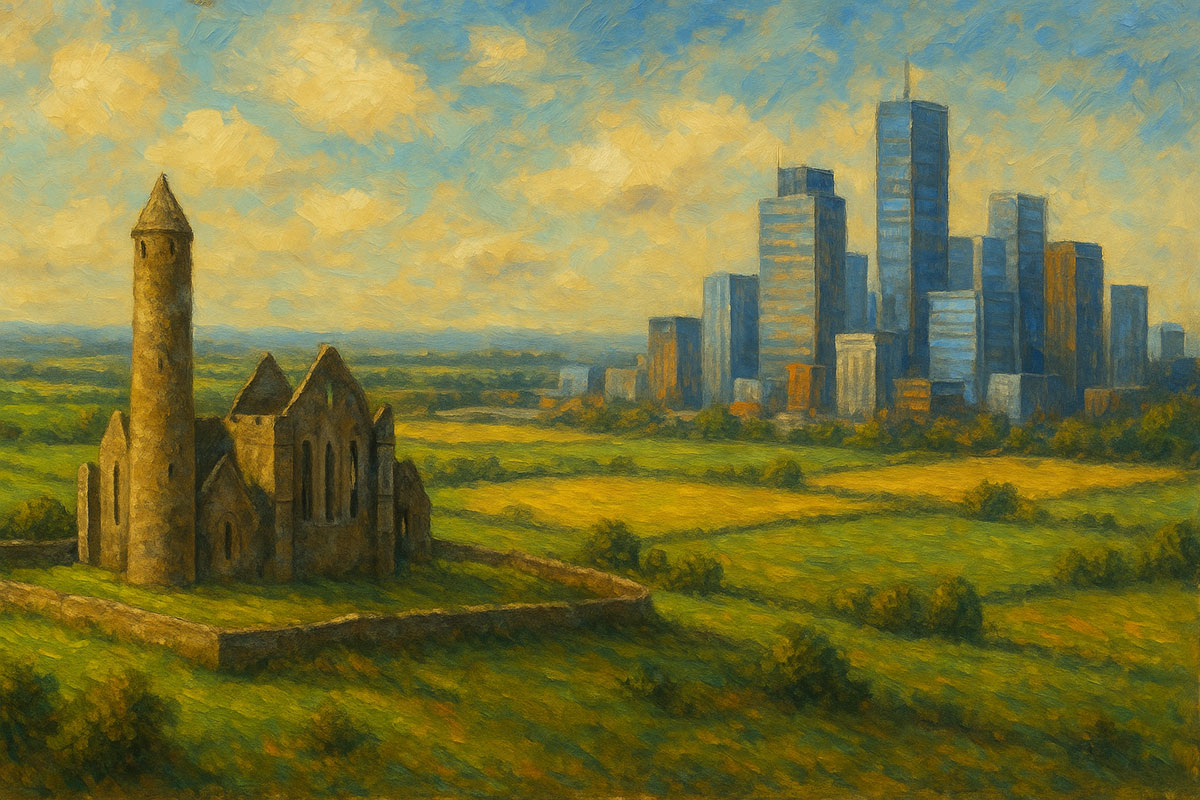

Ireland is a country steeped in history, where ancient monuments, medieval castles, and living traditions coexist with a rapidly developing modern society. As Ireland continues to grow economically and technologically, the challenge of balancing heritage preservation with progress becomes more pressing.
Table of Contents
- Why Heritage Matters in Modern Ireland
- Pressures of Progress: Challenges to Preservation
- Finding Balance: Preservation and Innovation Working Together
- The Future of Heritage in Ireland
Why Heritage Matters in Modern Ireland
Heritage in Ireland is more than a collection of ancient ruins or folk traditions—it is the foundation of the nation’s identity. From the prehistoric tombs of Brú na Bóinne to the lively sounds of traditional Irish music, heritage connects people to their roots and shapes their sense of belonging. In a world where globalization often blurs cultural distinctions, Ireland’s heritage offers a unique voice, one that continues to resonate both at home and abroad.
Heritage as Identity
For the Irish people, heritage is an expression of who they are. Language, music, folklore, and monuments embody centuries of resilience and creativity. The Irish language (Gaeilge), for example, is not just a means of communication but a cultural treasure that reflects the worldview of generations past. Similarly, festivals such as St. Patrick’s Day and Samhain continue to link communities with traditions rooted deep in history. By safeguarding these elements, Ireland protects its collective memory and ensures future generations understand their place within it.
Heritage and the Economy
Heritage is also a cornerstone of Ireland’s economy, particularly through tourism. Sites such as the Rock of Cashel, Cliffs of Moher, and the monastic settlement at Glendalough attract millions of visitors each year. These visitors not only support local economies but also spread awareness of Ireland’s culture globally. Investing in heritage preservation is therefore both a cultural duty and an economic strategy, helping Ireland remain a top destination in an increasingly competitive tourism market.
Heritage and Community
On a local level, heritage strengthens community ties. Traditional crafts, storytelling, and music sessions in pubs are not just for visitors—they are daily expressions of community life. Local festivals, fairs, and markets rooted in tradition bring people together, offering continuity in a world of rapid change. For many communities, preserving heritage is an act of pride, resilience, and identity.
Heritage and Education
Heritage also plays a vital role in education. Schools and universities across Ireland integrate heritage into their curricula, ensuring students understand the country’s historical trajectory. Archaeological digs, museum visits, and language programs connect younger generations with their past. This education fosters not only knowledge but also respect and stewardship, encouraging young people to value what has been handed down to them.
Heritage in the Global Context
Ireland’s heritage resonates far beyond its borders. With a diaspora spread across the world, Irish culture is celebrated on every continent. From Irish dance in North America to Gaelic football clubs in Australia, the global Irish community relies on heritage as a bridge to its ancestral homeland. This international dimension strengthens Ireland’s cultural diplomacy and enhances its global identity.
Why It Matters Today
In modern Ireland, heritage is not just about looking back—it is about grounding progress in a strong cultural foundation. As the nation embraces technology, innovation, and global connectivity, heritage provides balance, reminding people of their roots while guiding them toward the future. Protecting and celebrating heritage is essential not only for cultural pride but also for sustainable development, tourism, and social cohesion.
Pressures of Progress – Challenges to Preservation
As Ireland continues to evolve into a modern, globally connected nation, its heritage faces increasing pressures. Urbanization, tourism, economic development, and even climate change all pose challenges to the preservation of cultural and historical treasures. While progress is essential, it often comes with difficult choices that test Ireland’s ability to protect its past while building for the future.
Urban Expansion and Development
Rapid urbanization has put many heritage sites at risk. Expanding cities like Dublin, Cork, and Galway require new housing, roads, and infrastructure. While these developments are necessary, they can encroach on historic neighborhoods, archaeological remains, or culturally significant landscapes. In some cases, entire areas of historic value are threatened by modernization unless careful planning and protection measures are enforced.
Tourism Pressures
Tourism is both a blessing and a challenge. While millions of visitors support Ireland’s economy, the influx can place a heavy burden on fragile heritage sites. Popular locations such as the Cliffs of Moher, Skellig Michael, and the Giant’s Causeway have had to implement strict visitor management to prevent erosion, overcrowding, and damage. Striking the balance between accessibility and preservation is one of Ireland’s greatest heritage challenges today.
Climate Change and Environmental Impact
Climate change presents new and growing threats to Ireland’s heritage. Rising sea levels and coastal erosion endanger sites located along Ireland’s extensive coastline, while increased rainfall and storms damage fragile ruins and landscapes. For example, low-lying monastic sites and ancient stone structures face structural risks from weathering and flooding. Protecting heritage in the face of environmental uncertainty requires new strategies and investment in sustainable conservation.
Loss of Traditional Skills
Heritage is not only about monuments but also about living traditions. Traditional crafts such as weaving, blacksmithing, and stone masonry are at risk of disappearing as younger generations move toward modern careers. Without skilled craftspeople to maintain historic structures, preservation becomes more difficult. Similarly, the decline in daily use of the Irish language poses a challenge to safeguarding Ireland’s intangible heritage.
Globalization and Cultural Homogenization
As Ireland integrates more deeply into the global economy and culture, there is a risk of cultural homogenization. International influences in architecture, fashion, and entertainment can sometimes overshadow local traditions. Maintaining a balance between embracing global trends and preserving unique Irish identity is a challenge faced by communities across the country.
Resource and Funding Constraints
Preserving heritage requires significant resources—financial, technical, and human. Competing priorities such as healthcare, housing, and education often mean that heritage budgets are limited. Smaller communities may struggle to fund the preservation of local monuments or support cultural initiatives, even when these hold significant historical value. This financial strain can leave many sites vulnerable to neglect or decay.
Why These Pressures Matter
The challenges facing Ireland’s heritage are not just about saving old buildings or monuments. They are about preserving identity, memory, and continuity in the face of change. Without careful management, the very qualities that make Ireland unique could be lost amid modernization. Recognizing these pressures is the first step toward creating solutions that protect the past while embracing the future.
Finding Balance – Preservation and Innovation Working Together
While progress inevitably brings challenges to heritage, Ireland has increasingly sought ways to harmonize preservation with modernization. Rather than seeing development and heritage as opposing forces, communities, government agencies, and cultural organizations are working together to find creative solutions. This balance allows Ireland to safeguard its cultural treasures while continuing to thrive in the modern world.
Integrating Heritage into Urban Planning
One of the most effective ways Ireland is balancing preservation and progress is through urban planning that incorporates heritage sites into new developments. In Dublin, for example, historic buildings are often repurposed for modern use rather than demolished. Old warehouses are transformed into offices, cultural centers, or residential spaces, allowing heritage structures to retain their presence while meeting contemporary needs.
Adaptive Reuse of Historic Buildings
Adaptive reuse has become a cornerstone of preservation in modern Ireland. Castles, monasteries, and country houses have found new life as museums, hotels, event venues, or community spaces. For instance, Kilmainham Gaol in Dublin was restored as a museum, providing both educational value and tourism revenue. This approach not only saves historic structures from decay but also ensures they remain relevant and functional in modern society.
Technology in Preservation
Technology plays a growing role in conservation efforts. 3D scanning, drone surveys, and digital modeling help record and monitor heritage sites with precision, ensuring accurate restoration and long-term protection. Virtual reality tours of places like Newgrange or Skellig Michael allow broader audiences to experience heritage while reducing physical strain on fragile sites. These innovations bridge the gap between conservation and accessibility.
Community-Led Heritage Projects
Local communities play a vital role in balancing preservation with progress. Grassroots projects often focus on restoring local monuments, reviving traditional crafts, or supporting Irish language initiatives. By engaging local people in heritage preservation, projects create a sense of ownership and pride, ensuring that heritage is not simply protected by authorities but cherished by those who live with it every day.
Tourism and Sustainability
Sustainable tourism strategies are central to heritage management. Ireland has introduced measures to protect popular sites from over-tourism while promoting lesser-known destinations. The Wild Atlantic Way, for example, highlights coastal heritage across the west, spreading tourism benefits more evenly and reducing pressure on iconic sites. This balance allows heritage tourism to remain economically beneficial while protecting fragile environments and landmarks.
Education and Cultural Programs
Preservation is strongest when linked with education. Schools, museums, and universities are developing programs that connect young people with heritage in engaging ways. From archaeological digs to storytelling festivals, these initiatives ensure that cultural traditions and skills are passed down. In doing so, Ireland fosters a new generation of heritage stewards who understand both the value of preservation and the importance of innovation.
Why Balance Matters
Balancing progress and preservation allows Ireland to honor its past while embracing its future. It demonstrates that heritage need not be a barrier to development but rather a foundation upon which modern Ireland can build. Through adaptive reuse, technological innovation, and community engagement, Ireland is proving that tradition and progress can coexist harmoniously.
The Future of Heritage in Ireland
As Ireland continues to evolve in the 21st century, the question of how best to protect and promote its heritage remains central to national identity. The future of heritage in Ireland depends on innovative strategies, sustainable management, and the commitment of both government and communities to safeguard what makes the nation unique. While challenges remain, there are promising opportunities for ensuring that Ireland’s heritage thrives alongside progress.
Embracing Digital Technology
The future of heritage preservation will rely heavily on digital innovation. Virtual tours, augmented reality experiences, and digital archives are already helping bring Ireland’s history to global audiences. By digitizing fragile manuscripts, recording oral traditions, and creating 3D models of ancient sites, Ireland can ensure its heritage is preserved for future generations while making it more accessible than ever before.
Climate Adaptation for Heritage Sites
With climate change posing an increasing threat, Ireland’s heritage management will need to adopt climate adaptation strategies. Coastal defenses, protective shelters, and ongoing monitoring of vulnerable sites will be vital. Research collaborations between conservationists, scientists, and policymakers will play a key role in developing new methods to safeguard heritage in a changing environment.
Supporting Intangible Heritage
While monuments and landscapes are vital, intangible heritage—such as music, dance, crafts, and the Irish language—requires equal attention. Future preservation efforts will focus on revitalizing Gaelic as a living language, supporting traditional crafts, and fostering creativity rooted in heritage. These cultural expressions connect modern Ireland to its ancestors and keep traditions alive in contemporary society.
Community Involvement
The long-term success of heritage preservation lies in community involvement. Local heritage groups, historical societies, and schools play an essential role in protecting monuments and traditions. Encouraging younger generations to take ownership through festivals, workshops, and hands-on learning ensures that heritage remains relevant and cherished in everyday life.
Tourism and Global Engagement
Heritage tourism will continue to be a pillar of Ireland’s economy, but its future lies in sustainable growth. Promoting lesser-known sites, managing visitor numbers, and encouraging respectful engagement with heritage will protect Ireland’s treasures while welcoming international interest. At the same time, Ireland’s diaspora offers a global network of cultural ambassadors who keep Irish traditions alive worldwide.
Government and Policy Support
Strong government policies and investment will remain crucial. Ireland’s heritage services will need continued funding for conservation, education, and cultural initiatives. Policy frameworks that integrate heritage preservation with urban planning, climate strategy, and education will help create a holistic approach to cultural stewardship.
A Living Heritage for Future Generations
The most important goal for Ireland’s future heritage is to ensure that it remains a living, evolving part of society. By blending modern innovation with ancient traditions, Ireland can continue to grow while staying grounded in its history. The Rock of Cashel, the Cliffs of Moher, and even a traditional music session in a rural pub all remind us that heritage is not frozen in time—it is alive, meaningful, and adaptable.
Conclusion: The importance of heritage in modern Ireland lies in its ability to anchor identity while inspiring progress. As Ireland looks to the future, its challenge and opportunity lie in balancing preservation with change. By embracing technology, sustainability, and community engagement, Ireland can ensure that its heritage not only survives but flourishes—remaining a source of pride and inspiration for generations to come.