


Ireland is a land rich in folklore, legends, and traditions. Alongside its famous myths and heroic tales, generations of Irish people have passed down a fascinating collection of superstitions and beliefs. Some originated in ancient Celtic traditions, while others developed through centuries of rural life, religious customs, and local folklore.
Although modern Ireland is a contemporary nation, many of these old beliefs continue to survive in surprising ways. Some are treated as lighthearted traditions, while others are respected more seriously, particularly in rural communities. Whether involving fairy forts, lucky charms, or warnings about bad luck, Irish superstitions remain an intriguing part of the country’s cultural heritage.
Table of Contents
- The Origins of Irish Superstitions
- Respecting the Fairy Folk
- The Mystery of Fairy Forts
- Never Disturb a Lone Hawthorn Tree
- The Magpie Greeting Tradition
- Lucky and Unlucky Signs
- Wedding Superstitions
- Beliefs Surrounding Death and Funerals
- Superstitions in Modern Ireland
- Why These Beliefs Endure
The Origins of Irish Superstitions
Many Irish superstitions have roots that stretch back thousands of years. Ancient Celtic beliefs emphasized the presence of supernatural forces within the landscape. Hills, rivers, trees, and stones were often regarded as sacred places connected to the Otherworld.
As Christianity spread throughout Ireland, older traditions did not disappear entirely. Instead, many folk beliefs blended with Christian customs, creating a unique mixture of faith, folklore, and superstition.
Over time, these traditions were passed from generation to generation through storytelling, local customs, and family practices. While some may seem unusual today, they often reflected efforts to understand and navigate an unpredictable world.
Respecting the Fairy Folk
Perhaps no aspect of Irish folklore is more famous than the belief in fairies, often known as the Aos Sí. Unlike the tiny winged creatures of modern popular culture, Irish fairies were traditionally viewed as powerful supernatural beings capable of influencing human affairs.
Many people believed it was wise to avoid offending the fairy folk. Acts considered disrespectful could supposedly bring misfortune, illness, or bad luck.
Stories of fairy encounters were once common throughout Ireland, particularly in rural areas. While few people today claim to literally believe every tale, respect for fairy traditions remains surprisingly widespread.
Even those who view the stories as folklore often hesitate before ignoring certain long-standing warnings.
The Mystery of Fairy Forts
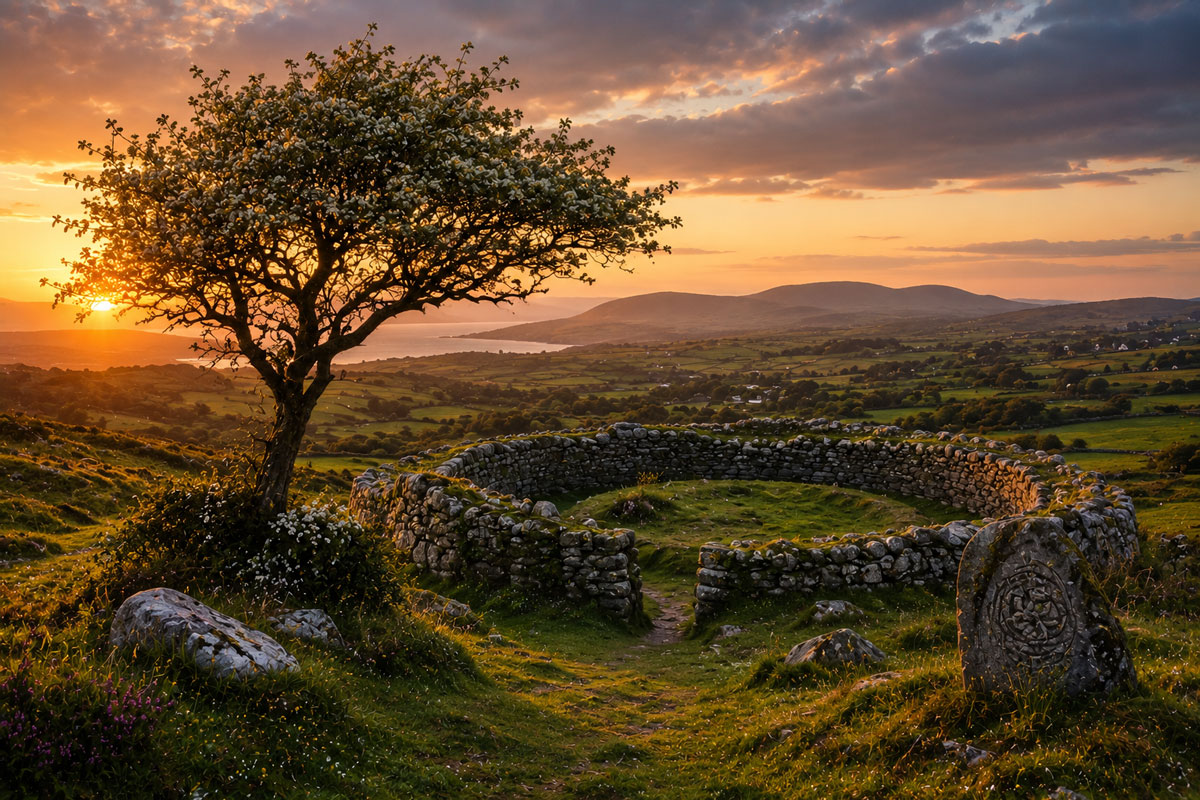
Across Ireland, thousands of ancient ring forts can still be found scattered throughout the countryside. These circular earthworks date back many centuries and are often known as fairy forts.
Traditional belief held that these sites served as entrances to the fairy realm. Disturbing them by digging, building, or damaging the structures was considered extremely unlucky.
There are numerous modern stories of roads being rerouted or construction plans altered to avoid interfering with fairy forts. While practical considerations often play a role, the persistence of these stories demonstrates the lasting influence of folklore.
Many landowners continue to preserve fairy forts on their property rather than risk tempting fate.
Never Disturb a Lone Hawthorn Tree
Another well-known Irish superstition concerns the lone hawthorn tree. These trees have long been associated with the fairy folk and are often found near fairy forts and ancient sites.
Cutting down a solitary hawthorn tree is widely regarded as inviting bad luck. Numerous stories tell of machinery breaking down, businesses failing, or accidents occurring after such trees were removed.
Whether believed literally or not, many people prefer not to take the chance. As a result, lone hawthorn trees are often left standing even when surrounding land is developed.
They remain visible reminders of Ireland’s deep connection to folklore and the natural landscape.
The Magpie Greeting Tradition
One of Ireland’s most enduring everyday superstitions involves magpies. Seeing a single magpie is often considered unlucky, while seeing two is viewed as fortunate.
This belief is reflected in the famous rhyme:
“One for sorrow, two for joy, three for a girl, four for a boy.”
Many people still greet a lone magpie with a nod, wave, or spoken greeting such as “Good morning, Mr. Magpie.” This small gesture is believed to ward off any bad luck associated with encountering a solitary bird.
While often practiced humorously today, the tradition remains surprisingly common throughout Ireland and Britain.
Lucky and Unlucky Signs
Irish folklore contains countless beliefs about signs of good and bad fortune.
Finding a four-leaf clover is one of the best-known symbols of luck. The rarity of these clovers helped make them valuable charms believed to bring good fortune.
Horseshoes have also long been considered lucky. Traditionally, many people hung horseshoes above doorways to protect homes and attract prosperity.
Conversely, spilling salt, breaking mirrors, or opening umbrellas indoors have often been viewed as signs of potential bad luck. Although these beliefs are not uniquely Irish, they became woven into everyday life throughout the country.
Wedding Superstitions
Irish weddings have historically included numerous traditions intended to ensure happiness and good fortune.
Many brides carried items representing luck, love, and prosperity. Weather conditions on the wedding day were often interpreted as signs regarding the future of the marriage.
Some traditions suggested hearing a cuckoo bird on the wedding morning was a particularly fortunate sign. Others emphasized the importance of avoiding unlucky dates or times.
Although modern weddings tend to be less influenced by superstition, many traditional customs continue to be incorporated as a nod to heritage and family tradition.
Beliefs Surrounding Death and Funerals
Death has always occupied a significant place within Irish folklore. Numerous traditions developed around funerals, mourning, and communication with the spiritual world.
The famous Irish wake served both practical and social purposes. Family and friends gathered to honor the deceased while offering support to one another.
Certain birds, sounds, or unusual events were sometimes interpreted as omens associated with death. Among the most famous figures in Irish folklore is the banshee, a supernatural being whose mournful cry supposedly foretold the death of a family member.
While most modern Irish people view such stories as folklore, the tales remain an important part of Ireland’s storytelling tradition.
Superstitions in Modern Ireland
Today, most Irish people do not structure their lives around superstition. Nevertheless, many traditional beliefs continue to survive in subtle ways.
People may joke about avoiding bad luck, greet a magpie without thinking, or hesitate before disturbing a fairy fort. Farmers, builders, and homeowners occasionally find themselves weighing practical decisions against traditional warnings.
In many cases, these customs persist because they provide a connection to family history, local identity, and cultural heritage rather than because they are literally believed.
The traditions often serve as reminders of the stories and values passed down through earlier generations.
Why These Beliefs Endure
Irish superstitions have survived because they are deeply connected to storytelling, landscape, and community. They transform ordinary places into locations filled with mystery and meaning.
Whether involving fairy forts, hawthorn trees, magpies, or lucky charms, these traditions help preserve a sense of wonder within everyday life. They connect modern Ireland to its ancient past and remind people of the rich folklore that shaped the country’s cultural identity.
Even when viewed with a smile rather than complete belief, Irish superstitions continue to play an important role in preserving Ireland’s unique heritage. They remain part of the stories people tell, the places they respect, and the traditions they pass on to future generations.