



Have you ever wondered if your ancestors once walked the lush green fields of Ireland? Well let’s take a journey of tracing your Irish heritage—from old parish records to DNA kits. Discover the tools, tips, and traditions that can help you uncover your family’s Irish story.
Table of Contents
- Getting Started: What You Need to Begin Your Irish Genealogy Journey
- Key Irish Records and Where to Find Them
- Decoding Names, Places, and Language Barriers
- Beyond the Records: Visiting Ancestral Townlands and Making Connections
Getting Started — What You Need to Begin Your Irish Genealogy Journey
Tracing your Irish ancestry can be a deeply rewarding experience. Whether you’re hoping to connect with living relatives or simply wish to understand the roots of your surname, the journey begins with preparation and a little patience. Irish genealogy can be complex due to historical gaps in records, but today’s tools make it more accessible than ever.
Start with What You Know
Begin your journey by documenting everything you already know about your family. This includes:
- Full names (including maiden names)
- Dates of birth, marriage, and death
- Places of birth or residence
- Religious affiliation (often Catholic or Church of Ireland)
- Occupations or immigration stories passed down
Talk to older family members. Their memories, even if vague, may contain critical leads—such as the name of a townland, a sibling who stayed in Ireland, or a family legend tied to a specific county.
Build a Family Tree
Use an online tool like Ancestry, FamilySearch, or MyHeritage to create a visual family tree. These platforms often allow you to input basic facts and receive record hints automatically, giving you a head start.
Understand Irish Geography
Irish records are typically organized by geographic divisions like:
- Townland – the smallest land division (over 60,000 across Ireland)
- Parish – often used in religious and civil recordkeeping
- Barony and County – important for historical records
If your family has a common surname like Murphy or O’Connor, narrowing it down to a townland or parish is crucial to avoid misidentification.
Know the Challenges
Many Irish records were lost in the 1922 Public Record Office fire during the Irish Civil War. However, not all is lost—church records, land surveys, and census substitutes still exist and are increasingly digitized. Understanding these limitations will help you stay encouraged when the trail runs cold.
Consider Your Goals
Are you seeking citizenship? Hoping to find living relatives? Or simply learning for personal enrichment? Defining your purpose will guide your research strategy. For example:
- Citizenship seekers will need official documentation and civil records.
- Curious learners may enjoy digging into family stories, folklore, or local customs.
- Those seeking living relatives might prioritize DNA testing and message boards.
Take Notes and Stay Organized
Keep a research journal or digital notes as you go. Record where you searched, what you found, and what questions remain. Irish genealogical research can span months or even years—it pays to stay organized from the beginning.
Key Irish Records and Where to Find Them
Once you’ve gathered what you can from home and built a preliminary family tree, it’s time to dive into the historical records. While many Irish documents were destroyed or never existed, a surprising number have survived—and they can provide powerful insights into your heritage.
1. Civil Registration Records
These are government-kept birth, marriage, and death records:
- Births from 1864 (and non-Catholic marriages from 1845)
- Marriages from 1864
- Deaths from 1864
Where to access:
IrishGenealogy.ie offers free access to scanned certificates and indexes.
2. Church Records
Before civil registration began, Irish churches kept baptism, marriage, and burial records. These are especially crucial for tracing pre-1864 ancestry.
- Roman Catholic Records – Baptisms and marriages from the 1700s onward (varies by parish)
- Church of Ireland Records – Some date back to the 1600s
Where to access:
National Library of Ireland for free Catholic parish records. Other sites like Ancestry and Findmypast may have transcriptions and indexes.
3. Census Records and Substitutes
Most pre-1901 Irish census records were lost, but two valuable ones remain:
- 1901 Census
- 1911 Census
Where to access:
National Archives of Ireland offers full searchable records online.
For earlier information, look to substitutes like:
- Griffith’s Valuation (1847–1864) – A land valuation showing heads of households
- Tithe Applotment Books (1823–1838) – Agricultural tax records, useful for rural ancestors
4. Land and Property Records
If your ancestors rented or owned land, property records may help you pinpoint where they lived and for how long. These include:
- Registry of Deeds
- Valuation Office revision books
- Land Commission records
Some of these are only available through the National Archives or on microfilm, so planning a research trip or hiring a local genealogist might be worthwhile.
5. Emigration and Passenger Lists
Many Irish families left during the Great Famine (1845–1852) or in the years following. While Ireland didn’t keep exit records, incoming countries did. Look for:
- Ellis Island (U.S. Arrivals)
- Canadian and Australian archives
- UK-bound ship manifests
6. DNA Testing and Genetic Genealogy
Modern DNA testing services like AncestryDNA, MyHeritage, and FamilyTreeDNA offer powerful tools for Irish genealogy. Even if the paper trail stops, DNA matches may help you connect to cousins with more information or identify ancestral regions.
Pro Tip: Combine traditional records with DNA results to break through “brick walls”—especially for ancestors with common names or uncertain parentage.
Decoding Names, Places, and Language Barriers
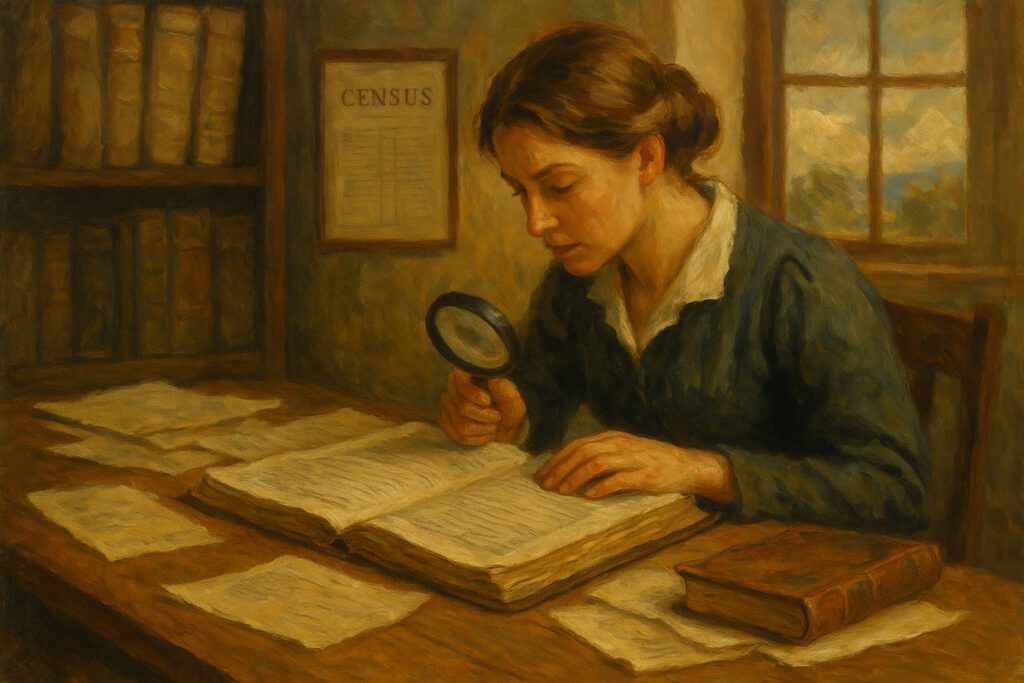
Irish genealogy isn’t just about finding names and dates—it’s also about interpreting them correctly. Many researchers hit dead ends because of spelling variations, language shifts, or confusion around geographic terms. This section helps you break down those barriers and keep your search on track.
The Fluidity of Irish Names
Many Irish surnames have undergone changes due to Anglicization, immigration, or clerical errors. For example:
- Ó Súilleabháin → O’Sullivan
- Mac Gabhann → Smith
- Ó Briain → O’Brien
Keep in mind that spelling wasn’t standardized until well into the 20th century. A single ancestor may appear under several different name versions across records.
Maiden Names and Patronymics
Irish women traditionally used their maiden names throughout their lives, especially in church and burial records. Be sure to look for both married and maiden names when searching.
In some regions, especially in older records, you might see a father’s name used as a second identifier (e.g., “Mary daughter of Sean”). Understanding these patterns can reveal an entire branch of your family tree.
Common First Names: Beware the Repeats
Irish families often reused the same first names across generations—sons named after fathers, uncles, and saints. This leads to many “Patrick Murphys” or “Mary Ryans” in the same region. Dates and locations become vital in distinguishing between them.
Place Names: Townlands, Parishes, and Counties
Irish addresses use a unique and deeply local geographic system:
- Townland – the smallest division (e.g., Ballyglen)
- Parish – often tied to both civil and church administration
- County – the broader jurisdiction (e.g., County Mayo)
It’s essential to familiarize yourself with the place names in your ancestors’ records. Even slight spelling changes—like “Knocknagree” vs. “Knocknagreeagh”—can send you down the wrong path.
Irish vs. English Language Records
Older records, especially before the 1800s, may be written in Latin or Irish Gaelic. You may encounter names like:
- Johannes for John
- Catharina for Catherine
- Domhnall for Daniel
Translation tools and Irish name glossaries can help bridge this gap. Be flexible when searching and use wildcard characters (e.g., Murph*) to catch variations.
Griffith’s Valuation Clues
If you’ve located a family name in Griffith’s Valuation, look at the surrounding names and townlands. Irish families often lived near extended relatives or married within the same locality. A neighbor might turn out to be a cousin, in-law, or godparent.
Helpful Resources for Names and Places
- JohnGrenham.com – surname search with maps and distribution data
- Logainm.ie – Irish place name database
- IrishGenealogy.ie – civil and church records
Beyond the Records — Visiting Ancestral Townlands and Making Connections
Once you’ve gathered names, places, and documents, it’s time to go beyond the paper trail. For many, the most meaningful part of Irish genealogy is walking the land their ancestors once called home. Visiting ancestral townlands can transform research into a profound personal journey.
Plan Your Genealogy Trip to Ireland
Before you go, pinpoint a townland, parish, or county with strong ties to your family. Even if your records only lead to a general area, you can still make the experience valuable by connecting with the local history and culture.
Bring along:
- Printed copies of family records and maps
- Photos of ancestors to share with locals
- A journal to document discoveries and impressions
Visit Local Heritage Centres
Nearly every Irish county has a genealogy or heritage center staffed with researchers who know the local families, land patterns, and surname histories. Many also hold parish registers and burial maps that may not be digitized.
Examples include:
- RootsIreland.ie – a network of county genealogy centers
- Local museums or libraries with oral history archives
- Graveyards, which may reveal family plots or inscriptions
Walk the Land
There’s no substitute for standing on the soil where your ancestors lived. Even if the original cottage is gone, the fields, roads, and churches often remain. Take photos, speak with locals, and listen for stories—small details may connect to your family’s past.
Connect with Living Relatives
With the help of DNA testing or local inquiries, you may discover distant cousins still living in the area. Many Irish people take pride in reconnecting with diaspora descendants and are eager to share family lore or offer hospitality.
Tips:
- Reach out before you go—send a letter or email if you suspect a match
- Be respectful of privacy and avoid unannounced visits
- Share copies of family trees or photos—it can spark recognition
Join Irish Genealogy Communities
Online forums and social media groups are powerful tools for staying connected and solving genealogical puzzles. Consider joining:
- Facebook groups for Irish surnames or counties
- Online forums like Ireland Reaching Out
- Local Irish-American societies or ancestry workshops
Keep the Story Alive
Your research isn’t just for you—it’s a gift to future generations. Consider:
- Creating a printed family history book or website
- Documenting your trip with photos and reflections
- Passing down stories, documents, and keepsakes to younger family members
Tracing your Irish roots is more than a hobby—it’s a bridge between past and present, memory and legacy. Whether you uncover records going back centuries or simply a single townland, the journey deepens your connection to Ireland and to yourself.
Conclusion
From gathering family documents to walking ancient townlands, tracing your Irish ancestry is a journey rich in meaning and discovery. With today’s tools and the enduring power of memory, even the smallest detail can unlock a hidden chapter of your family’s story.